
TL;DR
The way you build your town will determine the health of your community for years to come. Make the choice to support ecological health, mental health, and infrastructure resiliency by replacing lawn with native plants.
Ecological Health
The default municipal planning choice to fill public spaces with traditional landscaping is actually a health choice. Most obviously, the impact is on non-human beings, who feel the effects first. Dead butterflies caught up in spraying for mosquitos or bees disoriented from pesticide spray on lawns are just two immediate impacts. But we humans are not separate from our ecosystem – if we fill it with poison, we will be poisoned. If we remove the ability of other creatures to live, we will eventually lose our own ability to live. And it goes beyond pesticides; the same holds true for the practice of removing native plants and replacing them with non-native species. All the other creatures in the ecosystem feel the impact first – many dying out as a result without our realizing it. But eventually it affects us, too – typically when we realize we have damaged our ability to pollinate our food crops.
Mental Health
Green areas filled with a variety of native plants provide a great boost to mental health. Municipal planning choices that emphasize asphalt, concrete, and even turf grass over meadowscapes and forests and rain gardens negatively impact the well-being of all who live in the community. Given the escalating rates of depression and anxiety, there is enormous payoff for the communities that wish to head this off at the pass by creating healthier spaces. The long-term costs of supporting a mentally ill population need to be considered against the small, short-term cost of creating biodiverse green spaces.
Resiliency
The traditional approach to civil engineering has created too many impermeable surfaces throughout our communities. As extreme weather events become more common, this causes huge pressures on our stormwater and sewer systems. The subsequent flooding can contaminate drinking water and require expensive clean-up. A way to mitigate and potentially eliminate these problems is by adding permeable surfaces back into municipal design. While there are new permeable pavers and materials, the easiest approach is to add rain gardens and native plant landscaping throughout the community. This allows rain water to be directed and absorbed while replenishing groundwater and protecting the drinking water supply.
Thinking differently now saves money – and lives – later
Municipal planning requires long-term thinking that goes beyond how long a road will last or how likely the population is to grow. It needs to reconsider mistakes of the past and invest in new ways of landscaping for the future. Communities deserve healthy spaces that revitalize and protect them, and forward-thinking municipalities will provide them.
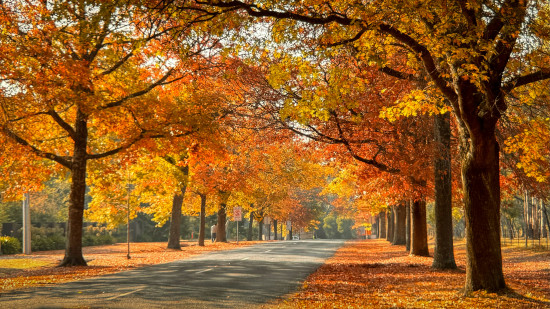
Photo by Steven Wong on Unsplash