
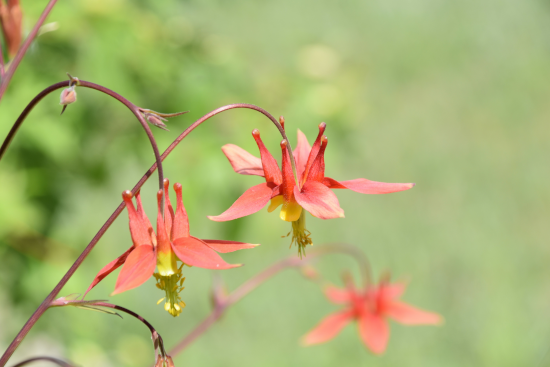
When towns learn about the importance of native plants for pollinators, the first thing they want to do is install a garden. This would be great if it didn’t lead to the immediate question of funding and, next, who is going to handle the garden. Even where funding is found, many a well-intentioned town will get stuck due to lack of staff to plant and maintain the garden. If that’s the case for your town, fear not. There are many hidden ways towns can support pollinators.
Downtown Revitalization
Many states will have funding to help small towns refurbish their downtowns. These initiatives can provide substantial amounts of money to cover the cost of infrastructure, such as roads, building fronts, and sidewalks. In some cases, these funds can also be applied to public transit projects and walking or biking paths. It is easy to slip native plants into the design for these downtown overhauls. Native trees can be planted along the Main Street to provide shade. Boulevards near the walking and bicycling paths can be planted with native species. Even planters by bus stops or outside businesses can be planted with native species.
Road and Sidewalk Repair
Towns have funds set aside for road maintenance and sidewalk repair. In some cases, especially if the area needs repair due to an issue with a water or sewer line, the whole area may need to be dug up. When that happens, you have a perfect opportunity to include native plants in the design when you rebuild. People forget that some of the best pollinator habitat is native trees, which also provide shade and create lovely avenues. In your design, include native trees along the road or by the sidewalk and you will make a positive impact for pollinators.
Landscaping Contracts
Even the smallest of villages has a landscaping contract. These can be made to better support pollinators with only a few minor changes. The first priority is to eliminate spraying lawns with pesticides. It is just as beneficial to pollinators to stop poisoning them as it is to provide native plants. So that’s the top priority. From there, consider whether planters and hanging baskets can be filled with native species. At minimum, see if the blooms can be organic flowers. Another option to consider is switching from spraying fertilizers to overseeding the lawns. These are all pollinator-friendly changes you can make to your landscaping contract.
Mowing Regimen
Roadside mowing can cause a lot of damage to pollinator habitat. These scraps of land may be the only places in town where native plants are growing wild. That means the pollinators that live there are vulnerable during every mow. The way to handle this is by making some small changes to how you approach mowing. First, ensure that all mowers are set at least 4 inches high. This allows some modicum of protection for small insects and also preserves some of the plants. Second, mow less often – and time it for when your local caterpillars are not feasting on the plant leaves. Your state biologists and ecologists can help you make that determination. Thirdly, don’t mow so deeply along the road sides. The deeper cut you make, the more habitat you lose.
Town Codes and Planning
Your town has the ability to require that developers use native plants in their landscape designs. They can also require a certain percentage of each lot be dedicated to pollinator habitat. Or that a set percentage of pre-existing grassland or forest be maintained. Similarly, planning boards can work with developers to include pollinator habitat during the design approval stage.
Think Beyond Pollinator Gardens
You don’t need to add a pollinator garden in order to turn your town into a pollinator haven. Instead, focus on opportunities as they present themselves. By keeping native plants and pollinators top of mind, you can turn many projects into pollinator habitat. These hidden ways for towns to support pollinators can be the easiest way to add habitat to your community.
Photo by Sara Bach on Unsplash