
Green infrastructure is one of those things that just makes sense when you think about it. Yet it often gets caught up in political perspectives that reject it out of hand. If that’s the situation you find yourself in, here are seven ways to pitch green infrastructure to skeptics – and you don’t even have to use the phrase “green infrastructure.”
1) Relieve burden on sewer systems.
One of the main ways green infrastructure helps municipalities is by reducing the amount of runoff that drains into the sewer system. The more gallons that can be diverted, the less stress on the sewers and the longer you can extend the life of your infrastructure. Talk about plantings in key areas to alleviate stress on your sewers.
2) Reduce wear and tear on road infrastructure.
Just as with sewers, stormwater runoff is hard on roads. Asphalt cracks or gets potholes and suddenly you have an expensive repair job on your hands. So talk about how plantings along roadsides or in key areas can absorb that runoff and relieve pressure on your roads.
3) Increase ground water infiltration.
Ground water is being depleted in many regions. One contributing factor is that water is being washed into sewers instead of being allowed to infiltrate into the soil and replenish the ground water. This gives you the opportunity to talk about using plantings to absorb the water deep into the soil, supporting your ground water supplies.
4) Protect surface water.
Lakes, streams, and rivers are all vulnerable to pollutants that get washed off the roads and lawns during storms. This affects clean water for large regions. Riparian buffers are a way to avoid that contamination, thus protecting water supplies and avoiding additional water treatment costs.
5) Reduce flooding.
As extreme weather events increase, so does the risk of flooding. When flood waters roll through, the stress on all built infrastructure is enormous. The more asphalt, concrete, and lawn you have, the less ability you have to absorb the water. By adding plantings in key areas to absorb and, potentially, even redirect stormwater, you reduce the impact of any flooding.
6) Reduce heat.
Excessive heat leads to exorbitant air conditioning bills. It can also be deadly. By incorporating trees and plants into your municipal design, you get the benefit of shade, as well as the cooling effects of transpiration.
7) Create a pleasant place to stroll – and shop.
Small businesses suffer if no one likes to stroll along their sidewalk. In addition to cooling effects, plantings create an attractive aesthetic that is more inviting to passersby. It encourages them to slow down and look around – which increases sales for local shops and restaurants.
Bonus: Native plants are easier to maintain
In all plantings, recommend species native to the region. Yes, this provides better habitat for local pollinators. But when talking to skeptics, you want to emphasize that these species are adapted to local weather and soil conditions, so will require less maintenance.
Getting Your Point Across
The goal should always be about implementing the best solution. Whether or not you use the phrase “green infrastructure,” you can still strongly communicate its benefits. Common sense – and a keen interest in the bottom line – can then step in and help you close the deal.
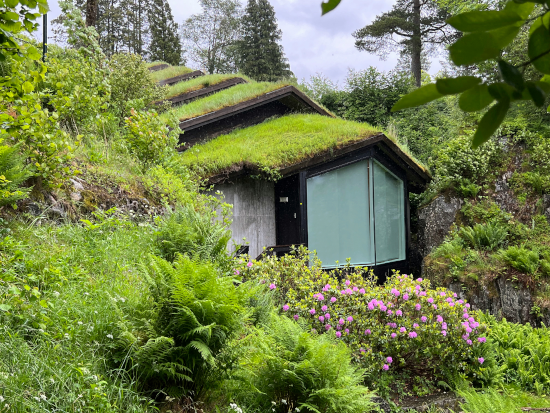
Photo by Freysteinn G. Jonsson on Unsplash